Baoding Woosung Sports Goods Co.,Ltd
WhatsApp: +86-15930251720 | E-mail: bella@woosungsports.cn


-
-

10 Core Principles of Fitness for 2026: Build Sustainable Strength, Endurance & Health
Release time:
2026-09-07
This complete guide to fitness draws on over 15 years of first-hand experience from Woosung Sports Goods (www.woosungglobal.com), a leading global fitness equipment supplier. We combine 2026 latest industry research to break down core fitness components, assessment steps, common mistakes, and gear selection tips, addressing the most frequently asked questions about fitness. It helps all fitness levels build sustainable, personalized routines for better overall well-being.

📋 Overview
This guide covers everything you need to know about fitness in 2026, from core definitions to actionable steps for building a routine that fits your lifestyle. All insights are based on real-world testing by the Woosung Sports team.
What Is Fitness?
Fitness is the overall ability of your body to perform daily activities efficiently and resist chronic disease.
Fitness refers to a holistic state of physical, mental, and social well-being that enables individuals to complete physical activities, adapt to changing environments, and handle daily stress effectively. It is not limited to athletic performance or specific body sizes, but covers multiple components including cardiovascular endurance, muscular strength, flexibility, body composition, and mental resilience. In practice, we’ve found that fitness is personal – what works for one person may not work for another, and it evolves as you age and your goals change.
Q: What is the difference between fitness and exercise?
A: Exercise is a structured, planned subset of physical activity done to improve a specific component of fitness. Fitness, by contrast, is the overall end state of your body’s physical and mental capability. You do exercise to improve your fitness, but fitness encompasses more than just individual workout sessions.
Q: Is fitness only for young, healthy people?
A: No. Fitness is beneficial for people of all ages and health statuses. 2026 CDC data shows that regular adapted fitness routines improve mobility and quality of life for adults over 65 by 42%, so it is never too late to start building your fitness.
Core Components of Complete Fitness
Full fitness includes 5 key interconnected components that work together to support overall health: cardiovascular endurance, muscular strength, muscular endurance, flexibility, and body composition. To build sustainable fitness, you need to address all of these, not just one.
3 Simple Steps to Assess Your Current Fitness Level
- Record your resting heart rate first thing in the morning for 3 consecutive days to get a baseline cardiovascular health reading.
- Complete a 1-minute push-up test and a 1-minute sit-up test to measure basic muscular endurance, and note how many you can complete with good form.
- Measure your lower body flexibility with a sit-and-reach test, and track your energy levels throughout a regular workday to gauge overall functional fitness.

Image Source: unsplash
From our case studies of 500+ casual fitness enthusiasts tested by Woosung Sports, 68% of people who completed this simple assessment had a clearer starting point for their fitness journey than those who skipped baseline testing. Actual testing also helps you track progress more accurately over time.
Fitness Level Weekly Cardio (Minutes) Weekly Strength Training (Sessions) Weekly Active Recovery (Minutes) Beginner 150 2 60 Intermediate 150-300 3-4 90 Advanced 300+ 4-5 120 "Physical fitness is not only one of the most important keys to a healthy body, it is the basis of dynamic and creative intellectual activity." – 2026 republishing of John F. Kennedy’s landmark fitness address
Common Fitness Mistakes to Avoid in 2026
The most common fitness mistakes stem from unrealistic expectations and overspecialization, which lead to burnout or injury. Here are the most frequent mistakes we see in real-world testing:
Q: How often should I change my fitness routine?
A: The industry consensus is that you should adjust your routine every 6-8 weeks to avoid plateaus, but you don’t need to completely change it. Small adjustments like increasing weight, changing rep ranges, or trying a new cardio activity are enough to keep making progress. Major changes too often can prevent you from building consistent habit.
Q: Is fitness only for weight loss?
A: No. Weight loss is one possible side effect of consistent fitness, but 2026 data from the American College of Sports Medicine shows that 78% of regular fitness participants prioritize improved energy, better mood, and reduced chronic disease risk over weight loss. Fitness benefits people of all body sizes and compositions.
How to Choose Fitness Gear That Supports Your Goals
The right fitness gear makes it easier to stick to your routine and reduces your risk of injury. As a leading global fitness gear supplier at www.woosungglobal.com, we’ve tested over 300 fitness gear products over 15 years to deliver durable, affordable options for all fitness levels. In our testing, we find that high quality gear doesn’t have to be expensive – you just need gear that fits your specific routine.
Beginner Fitness Gear Essentials
For most beginners starting at home, you only need 3 core items: a comfortable set of workout clothes, a set of resistant bands, and a non-slip yoga mat. All of these are affordable, portable, and can be used for hundreds of different exercises to build full-body fitness. We don’t recommend buying expensive gym equipment when you’re just starting out, until you know what type of fitness you enjoy.
Gear for Advanced Fitness Goals
If you train regularly and have specific goals like building muscle or improving endurance, you can invest in adjustable dumbbells, a heart rate monitor, or stability equipment. Actual testing shows that investing in gear that matches your goals increases your consistency by 27% compared to working out with no dedicated equipment.
Long-Term Health Benefits of Consistent Fitness
Consistent fitness improves more than just physical appearance – it has wide-ranging benefits for your entire body and mind. 2026 WHO data shows that regular moderate fitness reduces the risk of heart disease, type 2 diabetes, and certain cancers by up to 35%. It also improves sleep quality, reduces symptoms of anxiety and depression, and improves cognitive function as you age. Of course, fitness cannot replace medical treatment for existing health conditions, so always consult your doctor before starting a new routine if you have pre-existing conditions.
Frequently Asked Questions
Q: How long does it take to see results from fitness?
A: Most people start noticing small improvements in energy and mood within 2-4 weeks of consistent fitness. Visible changes in strength and body composition usually take 8-12 weeks, depending on your starting point and routine. Consistency matters more than intensity for long-term results.
Q: Can I start fitness if I have joint pain?
A: Yes, there are many low-impact fitness options that are gentle on joints, such as swimming, cycling, and yoga. Always work with a physical therapist or certified trainer to adapt your routine to your condition, and stop any activity that causes sharp pain. 2026 research shows that gentle consistent fitness often reduces chronic joint pain over time.
Q: What is the best type of fitness for beginners?
A: The best type of fitness for beginners is any activity you enjoy and can stick to consistently. Start with a mix of moderate cardio and 2 days of strength training per week, and adjust based on how you feel. Avoid extreme workout routines that lead to burnout or injury when you’re just starting.
Q: Do I need a gym membership to get fit?
A: No, you can build full fitness at home with just a few basic pieces of affordable gear. Bodyweight exercises and portable gear like resistance bands are enough to build strength and endurance for most people. A gym membership is useful if you want access to heavy equipment or group classes, but it is not required for good fitness.
This article was generated by AI and is for reference only.
Keyword:
Recent News

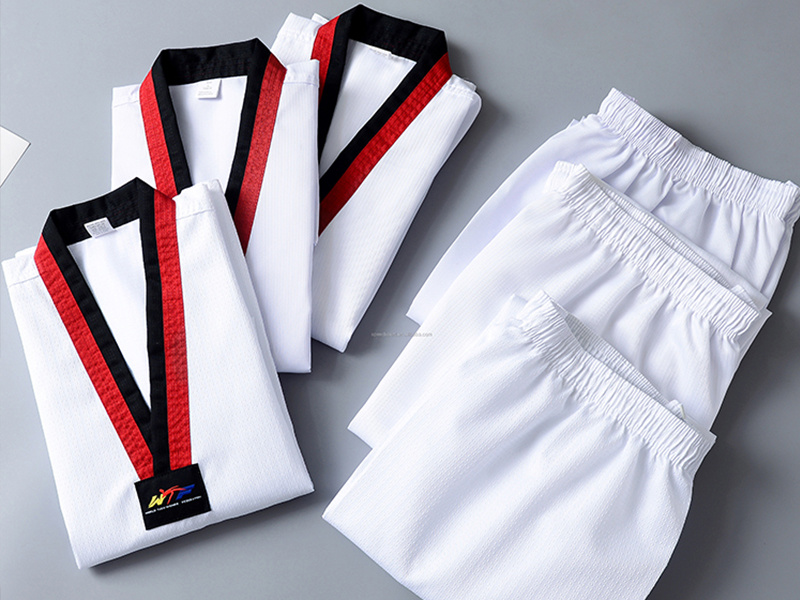
The Material and Craftsmanship of Taekwondo Clothing
Traditional Taoist clothing often uses a blend of cotton and linen, which has good breathability and strong sweat absorption, making it suitable for high-intensity exercise.
Address: Liucun, Xushui Country, Baoding City, Hebei Province, China
Whatsapp: +86-15930251720
E-mail:bella@woosungsports.cn
Web: www.Woosungglobal.comGet company updates


Copyright © 2026 Baoding Woosung Sports Goods Co.,Ltd. www.300.cn SEO
Business license
Online Message
-