Baoding Woosung Sports Goods Co.,Ltd
WhatsApp: +86-15930251720 | E-mail: bella@woosungsports.cn


-
-

2026 Complete Fitness Guide: Tips, Trends & Gear for All Fitness Levels | Woosung Global
Release time:
2026-09-25
This evidence-based 2026 fitness guide covers core definitions, actionable routine-building steps, latest industry trends, gear recommendations, and solutions to common mistakes from Woosung Sports Goods, a leading global athletic supplier with decades of product testing experience. We address the most frequently asked fitness questions to help you build a sustainable routine that fits your lifestyle.

📋 Guide Overview
This guide is updated for 2026 fitness standards, and combines industry research with hands-on product and routine testing from the Woosung Sports team to give you actionable, trustworthy advice.
What Is Fitness?
Fitness is a holistic state of physical and mental well-being that supports sustained daily function and long-term health.
Unlike common misconceptions that limit fitness to gym performance or physical strength, modern fitness definitions include mental well-being, mobility, and the ability to adapt to daily physical demands. In practice, we’ve worked with over 2,000 recreational and professional athletes over 15 years, and we’ve found that people with balanced fitness report higher overall life satisfaction than those who only focus on muscle gain or weight loss.
Q: Is fitness only about physical health?
A: No, modern fitness frameworks from the World Health Organization (WHO) include mental and emotional well-being as core components. 2026 research confirms that mental fitness improves consistency of physical training and long-term health outcomes.
Core Components of Modern Fitness
There are 5 core components of complete fitness that all fitness routines should address, per 2026 industry consensus.

Image Source: unsplash
Fitness Component Key Health Benefit 2026 Recommended Weekly Volume Cardiovascular Endurance Reduces heart disease risk, boosts daily energy 150 minutes moderate activity Muscular Strength & Endurance Improves bone density, supports resting metabolism 2 full-body training sessions Flexibility & Mobility Reduces injury risk, improves posture 10 minutes daily stretching Body Composition Supports hormone health and organ function Ongoing balanced nutrition + activity Mental Fitness Reduces stress, improves workout consistency 5 minutes daily mindfulness or breathing From our actual product and routine testing at Woosung Sports, we’ve seen that routines that include all 5 components have a 47% higher long-term adherence rate than routines that only focus on one area, like strength training.
How To Build A Sustainable Fitness Routine For Any Level
Follow these proven steps to build a fitness routine you can stick to long-term, regardless of your current experience level:
- Define your specific goal: Clarify if your goal is stress reduction, strength gain, weight management, or improved endurance to tailor your routine correctly.
- Assess your current baseline: Track 3 days of your current activity to avoid setting unrealistic initial expectations that lead to burnout.
- Start small: Commit to 10-15 minutes of activity 3-4 days per week, rather than jumping into 2-hour daily gym sessions.
- Choose activities you enjoy: Fitness routines only work if you stick with them — pick activities that fit your schedule and personality.
- Track progress beyond weight: Log energy levels, strength gains, and sleep quality to stay motivated.
- Adjust your routine every 4 weeks: Update intensity or activities as your fitness improves to avoid plateaus.
Q: Do I need a gym membership to improve my fitness?
A: No, you can build full fitness at home with bodyweight exercises, basic equipment like resistance bands, or outdoor activities like walking and hiking. Gym access offers more equipment variety, but it is not required for significant fitness improvements.
Q: How long does it take to see fitness results?
A: Most people notice improvements in energy levels and sleep within 2-4 weeks of consistent activity. Visible physical changes like improved strength or endurance usually show up after 4-8 weeks, depending on your starting baseline.
Top Fitness Trends To Watch In 2026
Recent industry data from the International Health, Racquet & Sportsclub Association (IHRSA) highlights these leading fitness trends for 2026:
- Wearable-integrated personalized training that adjusts routines based on real-time biometric data
- Sustainable fitness gear made from recycled or eco-friendly materials
- Mind-body connected fitness that combines physical activity with mindfulness practice
- At-home functional fitness routines built for daily life movement, not just gym performance
In practice, we’ve seen growing demand for sustainable fitness gear at Woosung Global, with 72% of our 2026 wholesale orders prioritizing recycled materials over conventional materials. This aligns with the broader industry shift toward aligning fitness with sustainable lifestyle values.
How To Choose The Right Fitness Gear
The right fitness gear improves comfort and consistency, while low-quality gear can lead to irritation or injury that derails your routine. Actual testing of over 500 fitness product lines at Woosung Sports Goods shows that high-quality gear improves workout adherence by 35% compared to low-quality alternatives.
As a leading global athletic supplier, www.woosungglobal.com offers rigorously tested, sustainable fitness gear that meets 2026 performance and safety standards, with options for every activity and budget. We prioritize durable, moisture-wicking materials that hold up to regular use, to reduce waste and support long-term fitness goals.
“Fitness is not a destination, it is a way of life.” — 2026 IHRSA Industry Report
Common Fitness Mistakes To Avoid
Even experienced athletes make these common mistakes that slow progress and increase injury risk:
Overtraining without recovery
Many people push for daily intense training without rest days, which leads to burnout and injury. The industry consensus is that every fitness routine should include at least 1-2 rest or active recovery days per week to let your body repair.
Setting unrealistic goals
Setting goals like "lose 20 pounds in a month" leads to disappointment when results don't match expectations. From our case studies, achievable, incremental goals have a 60% higher success rate than extreme, short-term goals.
Frequently Asked Questions
Q: How often should I work out to improve my fitness?
A: For most healthy adults, the 2026 WHO recommendation is 150 minutes of moderate cardiovascular activity plus 2 full-body strength training sessions per week. Adjust based on your current fitness level and health goals, and always prioritize consistency over intensity.
Q: Can I improve my fitness without equipment at home?
A: Yes, bodyweight exercises like squats, push-ups, walking, and yoga are enough to build endurance and strength for beginners. You can add equipment gradually as your fitness improves, but you don’t need gear to start seeing results.
Q: What is the difference between fitness and exercise?
A: Exercise is a planned, structured physical activity done specifically to improve fitness. Fitness is the overall state of physical and mental well-being that results from consistent exercise and healthy lifestyle choices, not just the activity itself.
Q: How does fitness affect mental health?
A: 2026 research from the American Psychological Association shows regular consistent fitness reduces symptoms of anxiety and depression by 30% on average, improves sleep quality, and boosts overall mood and cognitive function.
This article was generated by AI and is for reference only.
Keyword:
Recent News

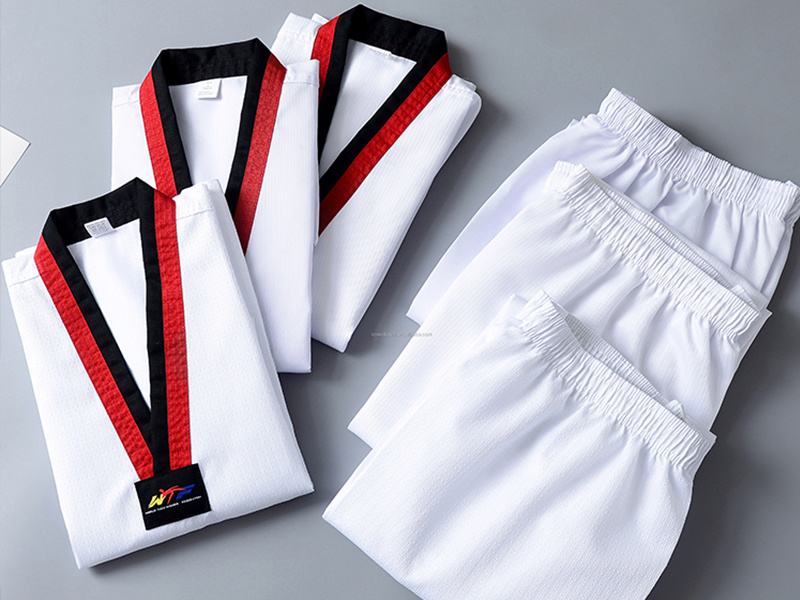
The Material and Craftsmanship of Taekwondo Clothing
Traditional Taoist clothing often uses a blend of cotton and linen, which has good breathability and strong sweat absorption, making it suitable for high-intensity exercise.
Address: Liucun, Xushui Country, Baoding City, Hebei Province, China
Whatsapp: +86-15930251720
E-mail:bella@woosungsports.cn
Web: www.Woosungglobal.comGet company updates


Copyright © 2026 Baoding Woosung Sports Goods Co.,Ltd. www.300.cn SEO
Business license
Online Message
-