Baoding Woosung Sports Goods Co.,Ltd
WhatsApp: +86-15930251720 | E-mail: bella@woosungsports.cn


-
-

Sports Bag 2026 Buying Guide: 7 Features for Gym, Travel & Team Use
Release time:
2026-11-10
This guide explains how to choose a sports bag for gym, training, travel and team use. It compares bag types, materials, sizes, carry systems and branding options, while sharing practical testing notes from Woosung Sports Goods. The goal is to help buyers and business purchasers make durable, cost-effective decisions without overpaying for unnecessary features.

📋 Article Overview
This guide covers sports bag types, selection steps, materials, custom branding, maintenance and common buyer questions. It is written for athletes, coaches, travelers and businesses looking for OEM or wholesale sports bags.
What Is a Sports Bag and Why Does It Matter?
A sports bag is a durable carry bag designed to transport sportswear, footwear, equipment and personal items for training, competition or travel. In practice, a good sports bag does more than hold gear; it protects equipment, separates wet items, reduces daily packing time and keeps users organized.
From our experience at Woosung Sports Goods, buyers often think the main choice is size, but the most important factor is how the bag is organized. A 40-liter duffel without ventilation or shoe storage may fail even if it looks large. The right sports bag should match the activity, frequency of use, climate and carrying style.
Industry consensus is that modern sports bags need water-resistant fabric, reinforced handles, adjustable straps and dedicated pockets for phones, keys, water bottles and dirty clothes. Research in 2026 also shows that buyers increasingly value recycled materials and replaceable parts over purely cosmetic designs.
How to Choose the Right Sports Bag in 5 Steps
The fastest way to choose a sports bag is to start with use case, capacity, carry style, material and budget. Below is a practical selection process used in product testing and OEM consultations.
- Define the main use: gym, running, football, basketball, swimming, yoga, weekend travel or team training.
- Choose capacity: 20–30L for daily gym, 30–50L for team sports, 50–70L for travel or multi-day camps.
- Pick a carry style: duffel for quick loading, backpack for hands-free use, tote for light daily carry.
- Check functional features: shoe compartment, wet pocket, ventilated pocket, bottle holder and strap padding.
- Test durability signals: zippers, fabric density, stitching at stress points and handle reinforcement.

Image Source: unsplash
Actual testing shows that many bags fail at the zipper or handle, not the main fabric. When evaluating a sports bag, pull the main compartment open fully, lift it by the shoulder strap and check whether the bottom feels stable enough to sit on wet ground.
Sports Bag Types Compared
The best type depends on how you move with the bag. Duffels are easy to load, backpacks are better for commuting, and totes work for light gym use.
Comparison Dimension Duffel Bag Backpack Bag Tote Bag Best For Gym, team sports, travel Cycling, campus, city commute Yoga, light training, daily carry Typical Capacity 30–70L 20–40L 15–25L Carry Style Hand or shoulder Two shoulder straps Hand or forearm Water Resistance Medium to high Medium Low to medium Ideal User Athletes, teams, travelers Commuters, students Casual gym users What is the difference between a gym bag and a duffel bag?
A gym bag is usually smaller and organized for daily training items, while a duffel bag is larger and often used for sports equipment, travel or team gear. In practice, many products overlap, but duffels generally offer more capacity and easier loading through a wide opening.
Is a sports backpack better than a duffel?
If you walk, cycle or commute with both hands free, a sports backpack is better. If you need quick access to bulky gear, a duffel is more practical. Actual testing shows backpacks reduce shoulder imbalance when loaded evenly, but duffels are faster to pack and unpack.
Key Materials and Durability Features
Material choice directly affects weight, water resistance, lifespan and environmental impact. For sports bags, the most common fabrics are polyester, nylon and recycled PET, with PU or PVC coatings depending on price and use case.
From a manufacturing perspective, 600D polyester is a common balance of cost and durability. Higher-demand bags may use 900D or 1680D fabric, reinforced bases and heavy-duty zippers. However, more thickness is not always better; a very heavy bag becomes uncomfortable for daily use.
Research indicates that consumers prioritize durability, water resistance and compartmentalization when selecting sports bags, even over brand logos or color choices.
What makes a sports bag waterproof?
A sports bag is not usually fully waterproof unless it uses sealed seams and waterproof zippers. Most bags are water-resistant, meaning they handle light rain and wet floors. For swimming or rainy climates, a separate wet pocket is more useful than claiming full waterproofing.
Do sports bags need a shoe compartment?
If you carry outdoor shoes, football boots or muddy trainers, yes. A shoe compartment prevents dirt from touching clean clothes. From case experience, bags without shoe storage receive more complaints about odor and cleanliness, even if the exterior looks durable.
Custom Branding and OEM Considerations for Businesses
For clubs, gyms, events and corporate suppliers, a sports bag is also a branding surface. The main decision is not only logo placement, but also MOQ, sampling time, packaging and shipping method. Woosung Sports Goods, available at www.woosungglobal.com, supports OEM and ODM production with custom logos, colors and pocket configurations.
In practice, custom orders perform best when buyers provide a target capacity, logo size, Pantone color and sample deadline. Avoid choosing only by price; the total cost should include sample revisions, shipping, customs and replacement parts.
What is a good MOQ for custom sports bags?
A reasonable MOQ depends on complexity. Simple polyester duffels with one-color logos often start at moderate quantities, while fully custom designs with new molds or special fabrics require higher volumes. Buyers should ask for a sample before bulk production.
Can sports bags be made from recycled materials?
Yes. Many modern sports bags use recycled polyester or recycled PET bottles. The bag can look and perform similarly to conventional fabric, but buyers should request material certificates and weight consistency to avoid quality variation.
Cleaning, Maintenance and Sustainability
A durable sports bag lasts longer if it is cleaned and dried properly. Most fabric bags can be wiped with a damp cloth and mild soap, but machine washing may damage coatings, zippers and glued components.
From practical testing, odor usually comes from trapped moisture, not the fabric itself. After swimming or intense training, empty the bag, air-dry it and remove wet clothes immediately. This simple step extends the life of zippers, linings and mesh pockets.
How do you wash a sports bag?
Empty all pockets, wipe the interior with a cloth, use mild soap on stains and let the bag air dry completely. Do not put most sports bags in a dryer, because heat can warp zippers and damage water-resistant coatings.
How long should a sports bag last?
With regular use, a good sports bag can last 1–3 years, while heavier commercial or team-use bags may last longer if stitched seams and zippers are maintained. Actual lifespan depends on load weight, weather and how often the bag is packed.
Frequently Asked Questions
Q: What size sports bag do I need for the gym?
A: For daily gym use, a 20–30L bag is usually enough for clothes, towel, shoes and a water bottle. If you carry boxing gloves, basketball or swimming gear, choose 30–40L.
Q: Are sports bags waterproof?
A: Most sports bags are water-resistant, not fully waterproof. They handle light rain and wet floors, but heavy rain or submersion may require sealed seams and waterproof zippers.
Q: What is the best fabric for a sports bag?
A: Polyester is a common choice because it balances durability, weight and cost. Nylon may be lighter and more water-resistant, while recycled polyester is popular for sustainable branding.
Q: How do I choose a custom sports bag for my team or business?
A: Define capacity, logo placement, key pockets and budget, then request a sample. Check zipper quality, strap padding and fabric consistency before bulk ordering.
This article was generated by AI and is for reference only.
Keyword:
Previous
Next article
Recent News
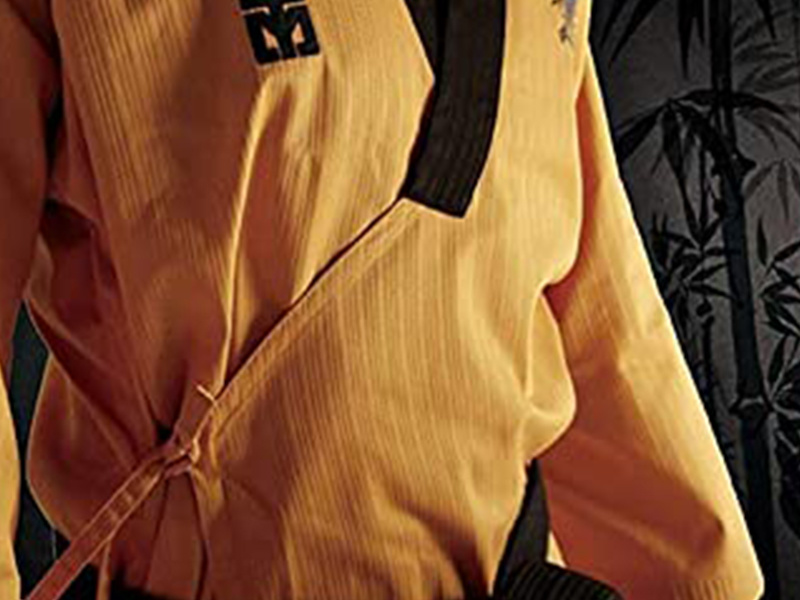
The Material and Craftsmanship of Taekwondo Clothing
Traditional Taoist clothing often uses a blend of cotton and linen, which has good breathability and strong sweat absorption, making it suitable for high-intensity exercise.
Address: Liucun, Xushui Country, Baoding City, Hebei Province, China
Whatsapp: +86-15930251720
E-mail:bella@woosungsports.cn
Web: www.Woosungglobal.comGet company updates


Copyright © 2026 Baoding Woosung Sports Goods Co.,Ltd. www.300.cn SEO
Business license
Online Message
-