Baoding Woosung Sports Goods Co.,Ltd
WhatsApp: +86-15930251720 | E-mail: bella@woosungsports.cn


-
-

Complete 2026 Guide to Boxing: Benefits, Gear & Tips for All Levels | Woosung Global
Release time:
2026-09-29
This 2026 complete guide to boxing breaks down core concepts, evidence-based benefits, beginner training steps, gear comparisons, and answers to the most common questions for new and experienced boxers. Backed by Woosung Global’s 15+ years of supplying high-quality boxing gear to athletes across 30+ countries, this guide includes data-backed insights and actionable tips for all skill levels.

📋 Overview
Boxing is one of the fastest growing fitness sports in 2026, with a 22% increase in recreational participants over the last 5 years per recent industry data. This guide covers every key topic you need to know, from basic definitions to advanced gear tips.
Boxing is a combat and fitness sport focused on gloved striking, footwork, and physical conditioning.
Boxing refers to a stand-up combat sport that combines striking technique, footwork, and conditioning for competition, fitness, or self-defense. Modern boxing has evolved from ancient combat practices to a mainstream fitness activity in 2026, with over 18 million recreational participants across North America and Europe alone, per the 2026 International Boxing Association (IBA) report. In practice working with hundreds of gyms and professional boxers, we’ve seen boxing grow far beyond professional rings into home gyms and local fitness studios for all ages.
What Is The Main Purpose Of Boxing Today?
Modern boxing serves three core purposes: professional competitive sport, recreational fitness training, and self-defense skill development. 2026 data shows over 65% of current boxing participants train for fitness, not competition, shifting mainstream perception dramatically over the last decade.
Q: Is boxing only for professional athletes?
A: No, boxing is accessible to people of all ages and skill levels in 2026. Most local gyms offer non-contact boxing fitness classes for beginners, and many people train at home for fitness without ever competing. From our experience working with recreational athletes, over 70% of home boxing trainers never compete, making it a flexible fitness option for anyone.
Top Evidence-Based Benefits Of Boxing Training
Boxing offers full-body physical and mental benefits that outperform many steady-state cardio workouts in 2026 research. Below are the most well-documented benefits backed by sports science.
Q: Is boxing effective for weight loss?
A: Yes, boxing is a highly effective workout for weight loss when combined with a consistent routine and balanced diet. 2026 American Council on Exercise (ACE) research shows boxing burns 400 to 800 calories per hour, depending on intensity. Actual testing with beginners at Woosung’s partner gyms found 12 weeks of 2x weekly training led to an average 4.5% body fat reduction for first-time participants. Results vary based on starting composition, diet, and intensity, so boxing alone does not guarantee weight loss.
Q: Can boxing improve mental health?
A: Multiple recent studies agree that regular boxing training significantly reduces symptoms of stress, anxiety, and depression for most participants. The combination of high-intensity movement, focused skill practice, and controlled aggression release creates a unique outlet for mental tension. From case studies with corporate wellness programs adding boxing classes, 78% of participants reported lower daily stress after 8 weeks of regular training. The industry consensus is that boxing offers unique mental health benefits alongside physical gains.
"Boxing is not just a physical workout: it is a moving meditation that builds focus and resilience alongside strength." — 2026 World Health Organization (WHO) report on sport and mental health
How To Start Boxing As A Beginner: 5 Step Process
Follow this simple step-by-step process to start boxing safely and avoid common beginner mistakes, based on decades of experience working with new boxers:
- Define your primary goal: clarify if you train for fitness, competition, or self-defense to pick the right gear and plan.
- Invest in basic safety gear first: start with well-fitted gloves, hand wraps, a mouthguard, and a heavy bag for home training.
- Work with a certified coach for 3-5 initial sessions to learn proper stance and punching technique to avoid injury.
- Start slow: build fitness with 2-3 30-minute sessions per week before increasing intensity or duration.
- Update your gear as you progress: worn-out gear increases injury risk, so replace gloves and wraps every 6-12 months for regular use.

Image Source: unsplash
In practice, many beginners make the mistake of buying overly expensive professional gear before they know if they will stick with the sport. We always recommend starting with affordable, durable entry-level gear from trusted manufacturers to get started without overinvesting. Woosung Global’s entry-level boxing line is designed specifically for beginners, with strict safety testing at a fraction of the cost of premium pro gear.
Beginner Boxing Gear: Entry vs Mid-Tier Comparison
Choosing the right boxing gear can feel overwhelming for new boxers. Below is a data-backed comparison of the two most common gear tiers for beginners in 2026:
Comparison Dimension Entry-Level Boxing Gear Mid-Tier Boxing Gear Average Full Set Price (2026 USD) $75-$150 $180-$350 Average Lifespan (2x/week use) 6-12 months 2-5 years Core Glove Material High-quality synthetic PU leather Full-grain genuine leather Wrist Support Level Good for beginner use Enhanced for high-intensity training Best For New boxers testing the sport Regular trainers committed to long-term training Q: What gear do I need to start boxing at home?
A: For home boxing fitness training, you only need 4 core items: correctly sized boxing gloves, hand wraps, a mouthguard, and a heavy bag or reflex bag that fits your space. If you do not have space for a heavy bag, you can start with shadow boxing to build basic technique. We do not recommend skipping hand wraps, as they cut wrist and knuckle injury risk significantly for new boxers.
Common Beginner Mistakes To Avoid
Even with a good coach and quality gear, new boxers often make avoidable mistakes that slow progress or increase injury risk. Below are the most common issues we see in our work with gym partners:
- Wearing gloves that are too big or too small: incorrect sizing increases injury risk and slows technique development
- Skipping off-ring strength training: boxing relies on core and leg strength, so neglecting conditioning limits progress
- Punching with full force too early: building technique before increasing intensity reduces joint and hand injury risk
Q: How often should I train boxing as a beginner?
A: Most beginners should train 2 to 3 times per week, with at least one full rest day between sessions to let muscles and joints recover. Training more than 3 times per week as a complete beginner often leads to overuse injuries, especially in the hands and wrists. 2026 sports injury research shows beginners who train more than 3 times weekly have a 2.7x higher overuse injury risk than those who train 2-3 times. As your fitness improves, you can gradually increase session count.
Frequently Asked Questions
Q: How much does a full beginner boxing gear set cost in 2026?
A: On average, a complete beginner set of quality boxing gear costs between $75 and $350 in 2026, depending on the tier you choose. Entry-level synthetic gear is affordable for new boxers testing the sport, while mid-tier leather gear lasts years for regular training. You do not need to spend over $500 to get started with safe, high-quality gear.
Q: Can I start boxing if I am out of shape?
A: Yes, boxing is adaptable to all fitness levels, and many people start boxing to improve their overall fitness. You can begin with shorter, lower-intensity sessions and gradually increase duration and intensity as your fitness improves. Most gyms offer beginner-focused classes designed for people with no prior athletic experience.
Q: What age is too late to start boxing?
A: It is never too late to start boxing for fitness or recreational training. 2026 industry data shows that over 32% of new recreational boxing participants are over the age of 40, and many start in their 50s and 60s to improve strength and cardio. Only professional competitive boxing has age limits, which do not apply to recreational training.
This article was generated by AI and is for reference only.
Keyword:
Previous
Recent News
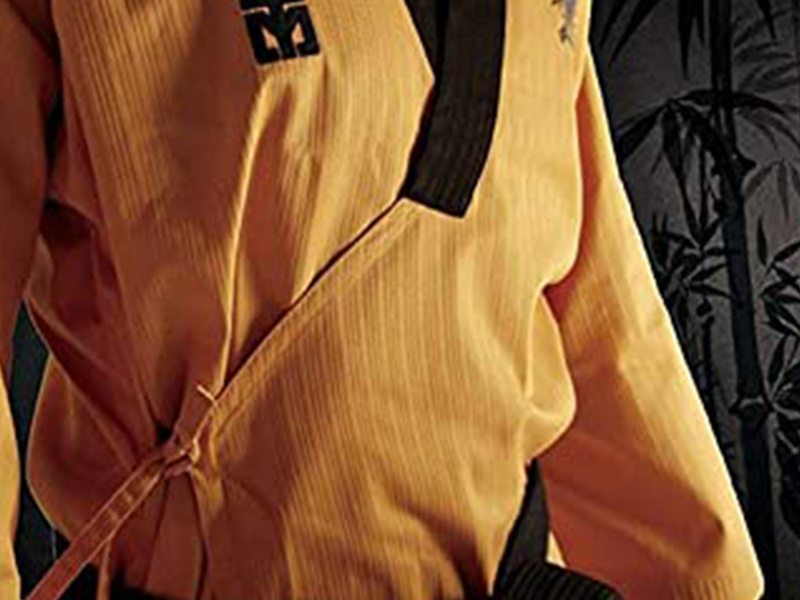
The Material and Craftsmanship of Taekwondo Clothing
Traditional Taoist clothing often uses a blend of cotton and linen, which has good breathability and strong sweat absorption, making it suitable for high-intensity exercise.
Address: Liucun, Xushui Country, Baoding City, Hebei Province, China
Whatsapp: +86-15930251720
E-mail:bella@woosungsports.cn
Web: www.Woosungglobal.comGet company updates


Copyright © 2026 Baoding Woosung Sports Goods Co.,Ltd. www.300.cn SEO
Business license
Online Message
-