Baoding Woosung Sports Goods Co.,Ltd
WhatsApp: +86-15930251720, +86-15175339883 | E-mail:sophia@woosungsports.cn


-
-

Unveiling the Mechanics of Taekwondo: More Than Just Kicks
Release time:
2025-12-22
Discover how Taekwondo works, from its fundamental principles to its impact on mind and body.

The Basics of Taekwondo
Ah, Taekwondo! Just the mention of it sparks excitement. You might picture high-flying kicks and intense sparring matches, but this martial art is so much more than that. It's a blend of physical prowess, mental discipline, and cultural heritage. Let's dive into its workings and see why it's captured the hearts of many around the globe!
A Brief History
Taekwondo has its roots in ancient Korean martial arts, with influences from Chinese and Japanese styles. The name itself translates to "the way of foot and fist," which is pretty fitting, right? Emerging as a formalized sport in the mid-20th century, Taekwondo has grown exponentially, becoming an Olympic sport in 2000. Talk about a glow-up!
Core Principles
Now, what makes Taekwondo tick? First off, it's all about the five tenets: courtesy, integrity, perseverance, self-control, and indomitable spirit. These aren't just buzzwords; they're the foundation of every practice session. Practitioners, or taekwondoin, strive to embody these values both on and off the mat. Who knew kicking could come with such a hefty dose of philosophy?
The Physical Mechanics
When you think of Taekwondo, it's hard not to imagine those impressive aerial kicks. But how do they actually work? Well, here's the scoop: Taekwondo techniques leverage body mechanics, combining speed, balance, and agility. The kicks are executed through a series of motions that engage multiple muscle groups—talk about a full-body workout! With training, students develop not just strength, but flexibility and coordination, too.
Kicking Techniques
The kicking techniques in Taekwondo are a sight to behold. From the front kick to the spinning hook kick, each one has its purpose and application. Practitioners often start with basic kicks and gradually work their way up to more advanced maneuvers. It's like leveling up in a video game, but with a lot more sweat!
Sparring: The Real Deal
Let's not forget sparring—it's where the real action happens! This practice involves two opponents testing their skills against each other in a controlled environment. It's not just about throwing punches and kicks; it's a mental game, too. Anticipating your opponent's moves requires sharp reflexes and strategic thinking. You're basically playing chess with your feet!
The Mental Side
Believe it or not, Taekwondo isn't just about physicality. Oh no! It's also a powerful tool for mental development. The discipline and focus required can help improve concentration and reduce stress. Many practitioners find that their confidence soars as they master new techniques and progress through the belt ranks. It's like building a fortress of self-esteem, one kick at a time!
A Community Like No Other
One of the best things about Taekwondo? The community! When you step into a dojang (training hall), you're not just joining a sport; you're becoming part of a family. Everyone—from the novice to the black belt—is there to support each other. It's a fantastic way to make friends, share experiences, and grow together.
Conclusion: Why Taekwondo?
In a nutshell, Taekwondo is a multifaceted martial art that offers physical benefits, mental growth, and a sense of community. Whether you're looking to get fit, learn self-defense, or simply try something new, Taekwondo could be the perfect fit. So, why not lace up those doboks (uniforms) and give it a shot? You might just find your new passion!
So there you have it—the inner workings of Taekwondo, a martial art that kicks its way into the hearts of many. If you've ever thought about trying it, now's your chance. Get out there and experience the magic yourself!
Keyword:
Previous
Recent News
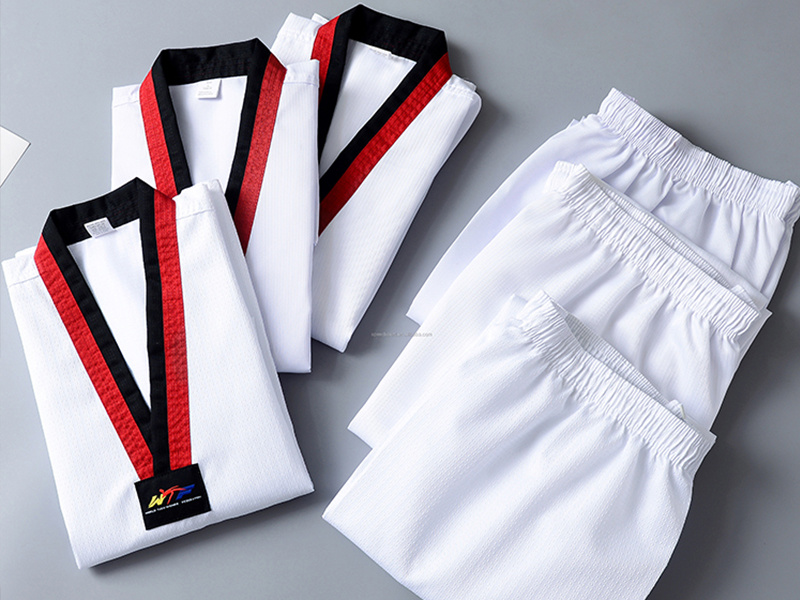
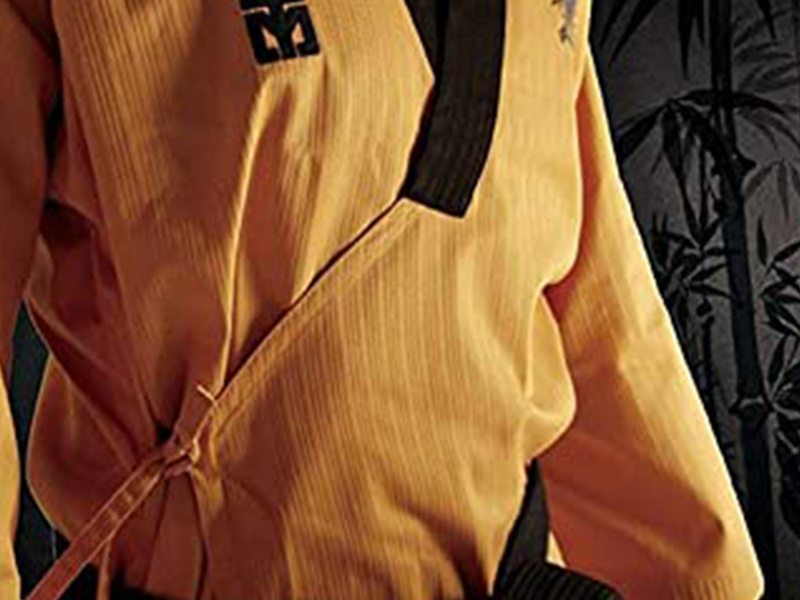
The basic composition of taekwondo uniforms
Loose design, convenient for large kicking, turning and other movements. The collar is V-shaped, and traditional Taoist clothing may have black rolled edges (symbolizing the spirit of taekwondo).
Address: Liucun, Xushui Country, Baoding City, Hebei Province, China
Whatsapp: +86-15930251720,+86-15175339883
E-mail:sophia@woosungsports.cn
Web: www.Woosungglobal.comGet company updates
Baoding Woosung Sports Goods Co.,Ltd. www.300.cn SEO
Business license
Online Message
-