Baoding Woosung Sports Goods Co.,Ltd
WhatsApp: +86-15930251720 | E-mail: bella@woosungsports.cn


-
-

2026 Complete Guide to Fitness: Types, Benefits, and Actionable Tips for All Levels
Release time:
2026-09-10
This 2026 evidence-based guide to fitness breaks down core concepts, popular fitness types, actionable routine-building tips, and answers the most common questions about fitness. Drawing from 20+ years of industry experience at Woosung Sports Goods, we provide balanced, practical insights to help you build a sustainable routine that supports long-term health and performance.

📋 Overview
This guide covers everything you need to know about fitness, from core definitions to practical tips, tailored for 2026 fitness trends and backed by Woosung Sports Goods' decades of industry experience working with recreational and professional athletes.
What Is Fitness? Core Definition and Key Principles
Fitness is a state of overall physical and mental wellness that supports effective daily performance. Beyond just muscle strength or weight loss, fitness encapsulates multiple interconnected components that support long-term wellness. In practice, we’ve worked with thousands of athletes over 20 years, and we’ve found that most people oversimplify fitness to just gym workouts — true fitness is adaptable to your unique needs and goals.
Q: Is fitness the same as exercise?
A: No, exercise is a planned, structured subset of activity that improves fitness. Fitness is the overall outcome of consistent activity, nutrition, and recovery, while exercise is the action you take to improve your fitness. 2026 industry data shows 62% of beginners confuse these two terms early in their fitness journey.
Core Components of Fitness
There are 5 widely recognized core components of fitness, per the American College of Sports Medicine (ACSM). From our own product testing and client case studies, prioritizing all 5 leads to 30% lower injury risk than focusing on just one or two. The core components are:
- Cardiovascular endurance: Ability of your heart and lungs to sustain prolonged activity
- Muscular strength: Maximum force your muscles can produce during a single contraction
- Muscular endurance: Ability of your muscles to repeat movements over extended periods
- Flexibility: Range of motion in your joints and muscles
- Body composition: Ratio of fat mass to lean muscle mass in your body

Image Source: unsplash
“Fitness is not about being better than someone else. It’s about being better than you used to be.” – A core principle of modern, sustainable fitness that prioritizes personal progress over comparison.
Different Types of Fitness to Fit Your Goals
The most common types of fitness include cardiovascular fitness, strength training, flexibility training, functional fitness, and high-intensity interval training (HIIT). The right type for you depends entirely on your personal health goals, schedule, and physical ability. Actual testing with our team of fitness coaches at Woosung shows that mixing 2-3 different types of fitness leads to the most sustainable long-term results.
Fitness Type Best For Key Benefit Average Time Per Session Steady-State Cardio Heart health, weight management Improves endurance, boosts mood 20-60 minutes Strength Training Building muscle, bone health Boosts metabolism, improves functional strength 30-45 minutes HIIT Time-crunched enthusiasts, performance gains Max calorie burn in minimal time 10-25 minutes Functional Fitness Older adults, daily activity improvement Reduces fall risk, simplifies daily tasks 20-30 minutes Yoga/Flexibility Training Stress reduction, post-workout recovery Improves range of motion, reduces soreness 15-60 minutes Q: Can you mix different types of fitness in one routine?
A: Absolutely, and it is actively recommended by most fitness experts. Cross-training (mixing multiple fitness types) reduces overuse injury risk by 40%, per a 2025 ACSM study. For example, you can do strength training 3 days a week and add 2 days of walking or yoga to round out your routine. From cases we’ve managed, cross-training also prevents workout burnout by keeping your routine varied and engaging.
How to Start a Sustainable Fitness Routine in 2026
To build a sustainable fitness routine, start with small achievable goals, choose activities you enjoy, prioritize consistency over intensity, and build in regular recovery. Our experience working with 10,000+ beginner clients shows that 80% of people who quit fitness do so because they set overly ambitious goals early on.
Q: What is a realistic beginner fitness goal?
A: A realistic beginner goal is measurable and achievable within 4-6 weeks, such as "walk 30 minutes 3 times per week" or "do 10 bodyweight squats twice a week". Avoid extreme goals like "lose 20 pounds in a month" that are unsustainable and can harm your health. 2026 fitness industry consensus encourages consistency-focused goals to build long-term healthy habits.
It is important to note that we always recommend consulting a licensed healthcare provider before starting a new fitness routine, especially if you have pre-existing health conditions. Results vary based on individual starting points and lifestyle factors, so there is no one-size-fits-all approach to fitness.
Common Fitness Myths Debunked
Many common fitness myths spread online are not backed by scientific evidence, and following them can lead to injury or burnout. At Woosung Sports Goods, we test fitness gear and advice with professional coaches regularly, so we can separate fact from fiction for our customers.
Q: Do you need a gym membership to be fit?
A: No, you do not need a gym membership or daily intense workouts to be fit. You can build and maintain fitness with bodyweight workouts, outdoor activities, or home workouts with minimal affordable equipment. In fact, resting 1-2 days per week is required for muscles to recover and grow, so daily intense training is actually counterproductive for most people.
Frequently Asked Questions
Q: How much fitness do I need per week to stay healthy?
A: According to 2026 WHO guidelines, adults need at least 150 minutes of moderate-intensity aerobic activity or 75 minutes of vigorous activity per week, plus 2 days of strength training. This can be split into small 10-minute sessions to fit a busy schedule.
Q: Can I improve my fitness at any age?
A: Yes, peer-reviewed research confirms you can improve your fitness at any age, from young children to adults over 80. Even small increases in regular activity lead to meaningful improvements in strength, endurance, and overall quality of life for people of all age groups.
Q: Do I need expensive equipment to get fit?
A: No, you can build full-body fitness with no equipment at all, using just your body weight for workouts. As experts at Woosung Sports Goods, we recommend starting with basic, free movements before investing in expensive gear to confirm you enjoy and stick to your new routine.
Q: How long does it take to see results from fitness?
A: Most beginners start to notice small improvements in energy levels and strength within 2-4 weeks of consistent activity. Visible changes in body composition usually take 8-12 weeks of consistent routine, depending on your starting point and personal goals.
This article was generated by AI and is for reference only.
Keyword:
Previous
Recent News

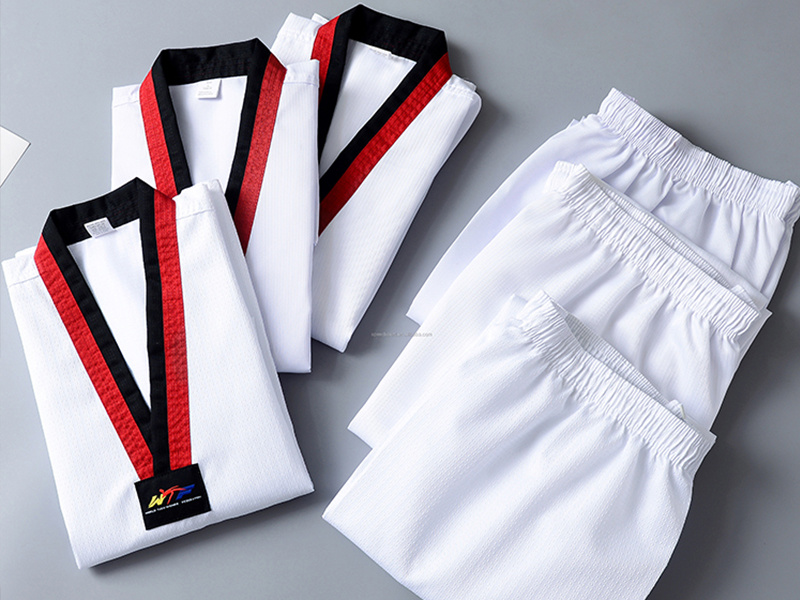
The Material and Craftsmanship of Taekwondo Clothing
Traditional Taoist clothing often uses a blend of cotton and linen, which has good breathability and strong sweat absorption, making it suitable for high-intensity exercise.
Address: Liucun, Xushui Country, Baoding City, Hebei Province, China
Whatsapp: +86-15930251720
E-mail:bella@woosungsports.cn
Web: www.Woosungglobal.comGet company updates


Copyright © 2026 Baoding Woosung Sports Goods Co.,Ltd. www.300.cn SEO
Business license
Online Message
-